
Resources
Book Recs
Preparing to be a parent? Looking for new parenting strategies? Trying to figure out a complex challenge with your child? There are many excellent books out there to help. Here are a collection of Joyful Pediatrics’ book recommendations, along with Amazon purchasing links. Joyful members benefit from borrowing any of these books from the Joyful Lending Library.
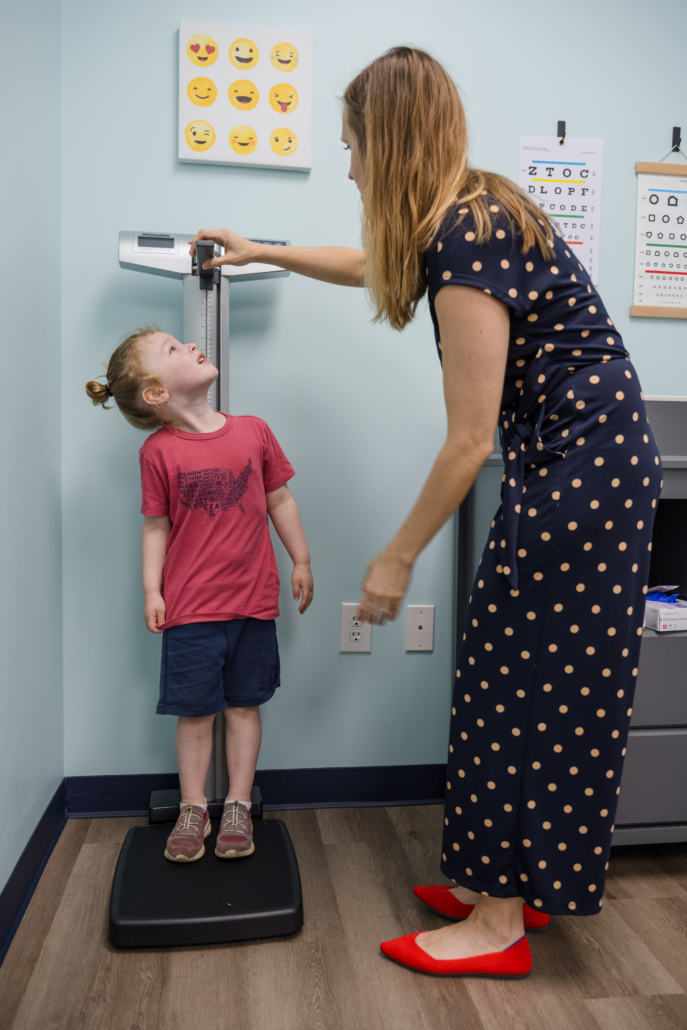
1-2-3 Magic by Thomas Phelan
1-2-3 Magic offers a simple yet highly effective approach that helps you regain control and bring peace back into your home. Whether you’re dealing with tantrums, sibling rivalry, bedtime battles, or any other challenging behavior, this book is your ultimate resource. Dr. Phelan’s compassionate and supportive approach ensures that parents not only gain invaluable tools but also develop stronger connections with their children.
ADHD by Mark Wolraich and Joseph Hagan
 This award-winning guide offers parents balanced, reassuring information to help them manage this condition. Topics include: evaluation and diagnosis, coexisting conditions, behavior therapy, ADHD and academics, the role of medication, and complementary and alternative treatments. Parents will also find inspirational and relatable stories from other caretakers.
The American Academy of Pediatrics Guide to Toilet Training by Mark Wolraich
 Helping your child through the toilet-training process may be one of your greatest challenges as a parent. And when it comes to this important developmental stage, every child is unique. If you’ve been confused by conflicting information from friends, relatives—even other books—here is expert advice from the American Academy of Pediatrics, the organization representing the nation’s finest pediatricians.
Hiccups by Diane Arnaout
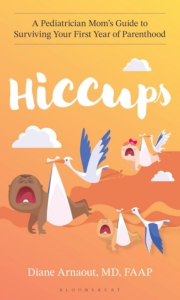 Hiccups provides new parents with encouragement and reassurance from a pediatrician mom who’s been there, with a dose of humor and personal anecdotes alongside evidence and science. Featuring easy-to-read recommendations for at-home care and guidance for when to call the doctor, Hiccups lets parents know the weird “normals” of babies, understand the science behind the way they are, and experience the joy of every milestone reached.
The Highly Sensitive Child by Elaine Aron
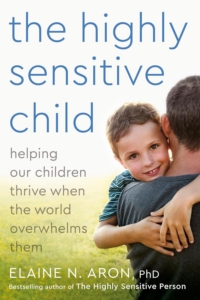 Rooted in Dr. Aron’s years of experience working with highly sensitive children and their families, as well as in her original research on child temperament, The Highly Sensitive Child explores the challenges of raising an HSC; the four keys to successfully parenting an HSC; how to help HSCs thrive in a not-so-sensitive world; and how to make school and friendships enjoyable. With chapters addressing the needs of specific age groups, from newborns to teens, The Highly Sensitive Child is the ultimate resource for parents, teachers, and the sensitive children in their lives.
How to Get Your Kid to Eat: But Not Too Much by Ellyn Satter
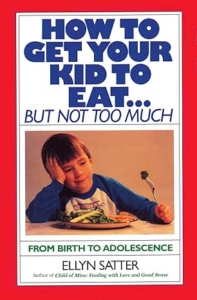 Answering a multitude of questions—such as What should a parent do with a child who wants to snack continuously? How should parents deal with a young teen who has declared herself a vegetarian and refuses to eat any type of meat? Or What can parents do with a child who claims he doesn’t like what’s been prepared, only to turn around and eat it at his friend’s house?—this guide explores the relationship between parents, children, and food in a warm, friendly, and supportive way.
How to Talk so Kids Will Listen and Listen so Kids Will Talk by Adele Faber & Elaine Mazlish
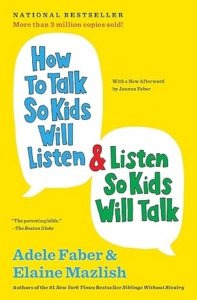 This bestselling classic by internationally acclaimed experts on communication between parents and children includes fresh insights and suggestions, as well as the author’s time-tested methods to solve common problems and build foundations for lasting relationships, including innovative ways to:
· Cope with your child’s negative feelings, such as frustration, anger, and disappointment
· Express your strong feelings without being hurtful
· Engage your child’s willing cooperation
· Set firm limits and maintain goodwill
· Use alternatives to punishment that promote self-discipline
· Understand the difference between helpful and unhelpful praise
· Resolve family conflicts peacefullyRaising Twins by Shelly Vaziri Flais
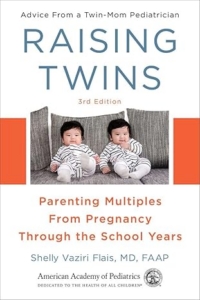 Pediatrician and twin-mom, Dr. Shelly Vaziri Flais, offers expert advice for raising healthy, well-adjusted twins and triplets in this fully revised and updated third edition. Her guidance will help parents of multiples prepare for their babies’ arrival, weather the first few months of infancy, manage toddlerhood, and help establish individual identities through the school-age and teenage years. The combination of sound medical advice and real-world experience will give twin-parents the direction and reassurance that they need. Packed with thoughtful advice, parenting tips, and anecdotes from twin-moms and -dads, this new edition also includes interviews with twins, including astronaut Scott Kelly.
Waking Up Dry by Howard Bennett
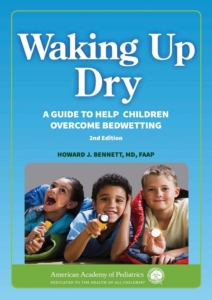 A positive, interactive plan for overcoming bedwetting, geared to parents of kids ages 6-13. Author Dr. Howard Bennett is both a pediatrician and a parent, and he encourages parents to read the book together with their children and develop a plan that includes behavior management techniques, calendars, contracts, and bedwetting alarms.
When Kids Lead by Todd Nesloney and Adam Dovico
 Kids are capable of doing fantastic things! It’s time for educators—teachers, administrators, parents, mentors, coaches—to think differently about how we prepare students and encourage them to grow as leaders. We can equip students with the tools and skills that will allow them to identify, take on, and solve real-world problems. Award-winning educators Adam Dovico and Todd Nesloney offer a helpful primer on the importance of student leadership and how to incorporate training for it into education every day. Packed with practical advice and helpful strategies, When Kids Lead is a vital addition to the shelves of K–12 educators, who will find not just a roadmap for training students as leaders but concrete examples of how to facilitate their growth and development in today’s school environment. Throughout, Adam and Todd serve as helpful guides, explaining the benefits of leadership training while covering neglected topics, like the importance of discussing—and celebrating—leadership in the classroom and knowing when it’s the right time to follow.
When Your Child Has an Eating Disorder by Lauren Muhlheim
 If your teen has an eating disorder—such as anorexia, bulimia, or binge eating—you may feel helpless, worried, or uncertain about how you can best support them. That’s why you need real, proven-effective strategies you can use right away. Whether used in conjunction with treatment or on its own, this book offers an evidence-based approach you can use now to help your teen make healthy choices and stay well in body and mind.
Your Child is NOT Their Weight by Joey Skelton
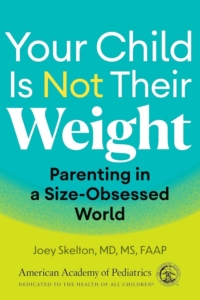 If you’ve been told your child needs to lose weight, you know how hard it can be. You love your child just as they are and want them to feel good about themselves and their body. But, you may also have very legitimate concerns about weight-related bullying, anti-fat bias, and possible long-term health issues. While there are no easy answers, Your Child Is Not Their Weight offers compassionate and realistic parenting advice to help improve your child’s overall health without compromising their happiness or self-esteem.


